Information Gathering
Gathering accurate information about your specific benefits is a critical early step. Because the Social Security Administration (SSA) manages different programs, you should determine exactly what you receive before you can plan effectively.
Understanding the "House of Social Security Disability Benefits”
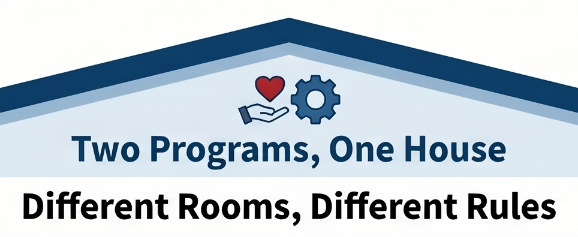
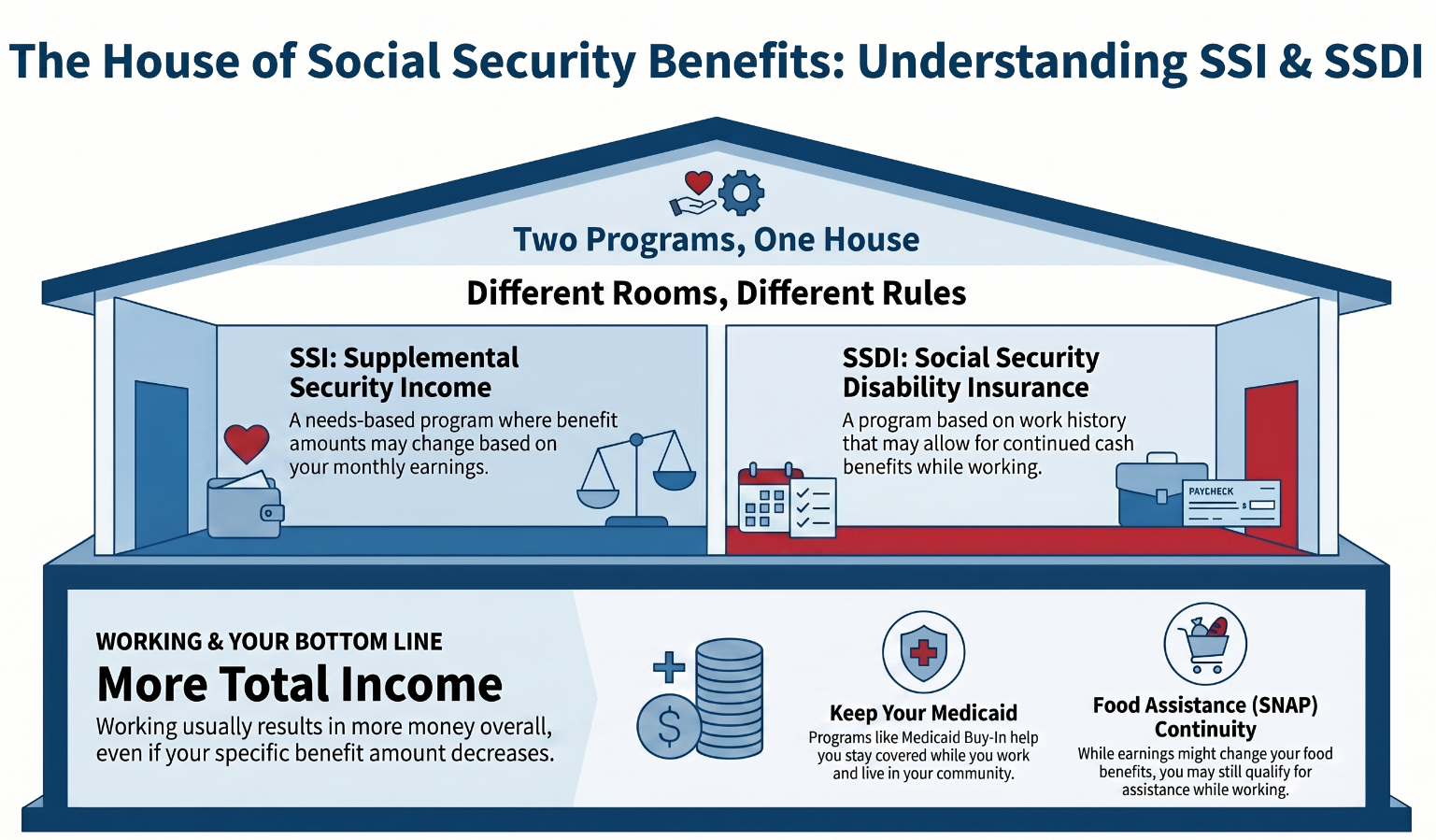
A key part of information gathering is learning that the SSA manages both Supplemental Security Income (SSI) and Title II programs like Social Security Disability Insurance (SSDI). Think of it as a house with two different rooms and two different sets of rules.

Gathering the correct information about which "room" you belong to is essential, because the work rules will differ depending on the benefit you receive. For individuals needing more basic information to start this process, there are videos specifically designed to help answer "What is SSI?" and "What is SSDI?"
SSI: Supplemental Security Income
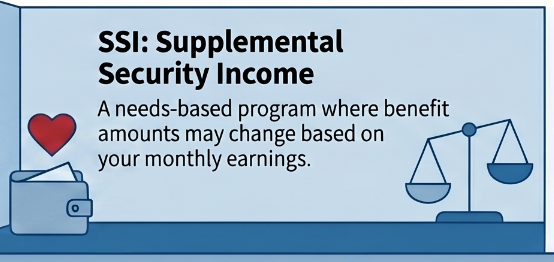
A needs-based program where benefit amounts may change based on your monthly earnings.
SSDI: Social Security Disability Insurance
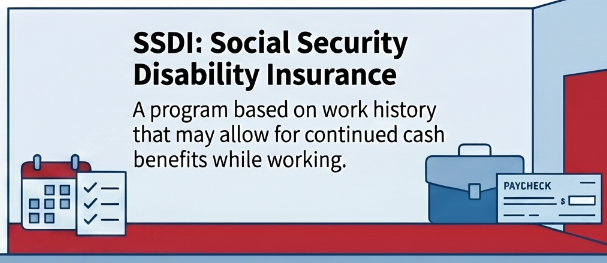
A program based on work history that may allow for continued cash benefits while working.
If you receive SSI or SSDI:
- Your benefits may change based on how much you earn
- You may still receive some cash benefits (SSI or SSDI) while working
When you learn about how work affects these benefits, you will find out these simple facts:
-
You will usually have more money: If you work and earn money, your benefit checks might change. For example, your SSI check might go down, but you can still receive some cash benefits while working. Because of your paychecks, you will almost always have more total money overall.
-
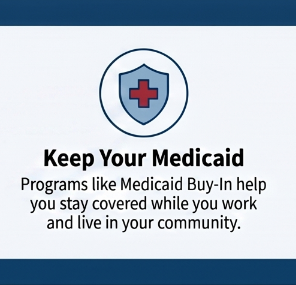
You can keep your health care: Many people worry about losing health insurance, like Medicaid, if they get a job. The good news is that you can usually keep your Medicaid while working. There are special programs, like the Medicaid Buy-In, that make sure you stay covered so you can still pay for your doctor and your support staff.
-
You can still get help with food: Your food assistance (SNAP) might change when you start earning money, but you might still qualify to get help buying food.
The most important takeaway is simple: working usually means you have more money overall, even if some of your individual benefits change.
Information Gathering
- The House of Social Security Benefits Understanding SSI and SSDI
August 21, 2026 - Download