Mastering the Interview Process
A practical approach to the interview process requires preparation, planning, and self-reflection. Success often depends on the steps you take to align your personal skills, experiences, and strengths with the responsibilities of the position. It is also important to research the company’s mission, values, and culture while preparing yourself for the interview experience and the expectations of the role.
This resource will provide a structured toolkit including rehearsal techniques and organizational lists, designed to help you make a lasting, positive impression.
From Preparation to Placement: The Interview Success Guide
Landing an interview is an exciting next step after submitting your applications! It is completely natural to feel anxious beforehand; in fact, being nervous is okay and normal.
To help manage those nerves and make a strong impression, it is highly recommended to "script out" and practice your answers to the questions you are most likely to hear.
Pre-interview preparation
A question Employers often ask is:
“Why do you want to work here?”
Be ready to answer this question. Look at the company’s website or if possible, go into the business. Make a list of the things you like about the business. It could range from location, lighting, friendliness, the business mission or even the products they sell. Study them and explain why you want the position
Another very common question (if not the most often question asked to another person):
“Tell me about yourself?”
When scripting your response to this, be sure to include your career goals and how they relate to the business you are interviewing with.
Learn as much as you can about the job
Make a list of the job duties and the skills they want. Use your resume to think about your skills and experiences and how they relate. Make a list of the things you have done and what you know how to do.
When scripting your answers, always remember to tailor your responses to reflect the specific needs and skills the business is looking for.
Research the Business & Role
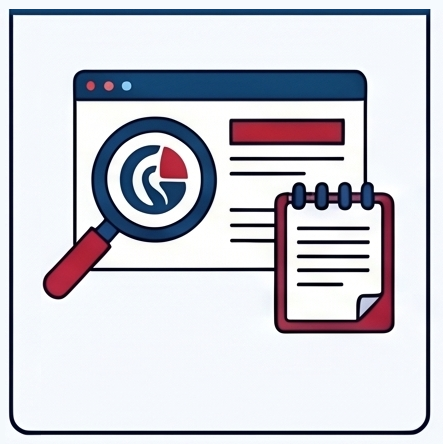
Study the company website and job duties to explain why you want the position.
The Mirror Tip (practice makes perfect!)
Once you know what you want to say, practice makes perfect. A great strategy to relax and build confidence is to practice answering your questions out loud in front of a mirror.
While you are practicing in the mirror, remember to smile! It is actually hard to stay nervous when you are smiling, and a genuine smile will help you introduce yourself professionally when you finally shake the interviewer's hand. Additionally, you are allowed to bring the lists you made about the company and your skills with you to the interview to help you stay calm and focused.
Script Your Success
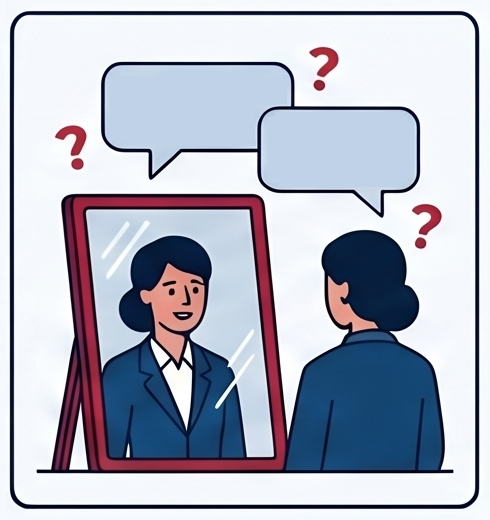
Practice answers for “Tell me about yourself” and “What is your biggest weakness?”

Ace Your Job Interview
This instructional video provides a step-by-step guide for a successful job interview - including tips on body language. It lists common questions and explains how to handle nerves and stay positive throughout the entire search process.
Video: Ace Your Job Interview
Let’s Get Ready to Interview!
To successfully navigate a job interview, job seekers must prioritize professional etiquette and active engagement from the initial greeting to the final follow up. You know what you’re good at. Present your skills and your history while using thoughtful questions to demonstrate your interest in the role - be sure to remain confident.
Bring Your Portfolio
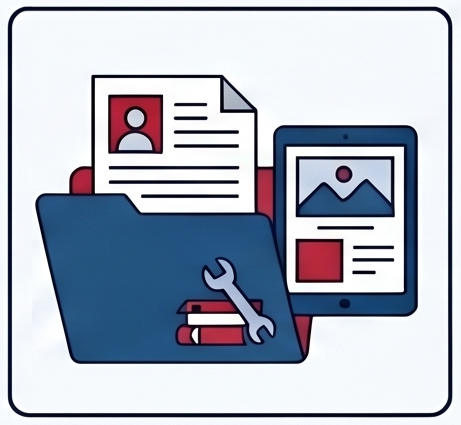
Share your resume and specific examples of your skills and household or work experience.
Beyond the interview itself this process requires persistence and patience. Specifically when you are sending thank you notes and while your managing you own expectations durring the employers decision making process.
Master the professional intro
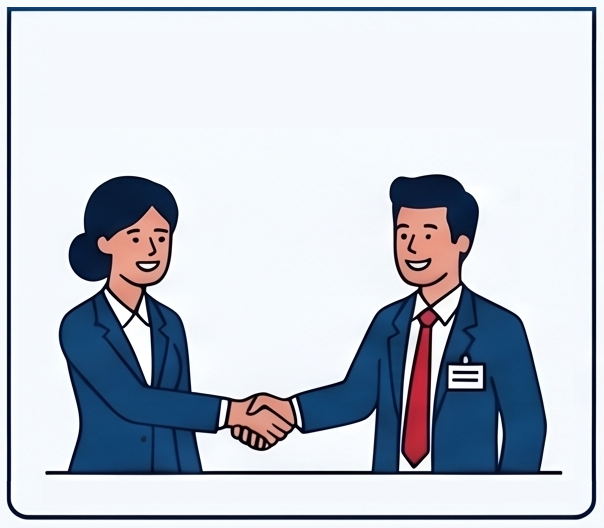
Smile, introduce yourself clearly, and offer a professional handshake to build rapport.
Start with a confident body language, this include standing up straight, introducing your self by name, offering a strong handshake and remember to smile! To clearly communicate your value without getting flustered, prepare a short, customizable script.
A great template to use is:
“Hi, my name is ____. I’m looking for a job. I’m interested in working here because ____. I am good at ____.”.
When scripting your introduction, which is a great way to prepare for the "tell me about yourself" interview question, be sure to include your career goals and tailor your response to reflect the specific needs of the business you are speaking with.
Be sure to practice and “test drive” your introduction. The best way to master your deliver is to practice it repeatedly. Role play with your family and friends or go back to the mirror. This will help it feel more natural. When you built up that confidence you can take it out for a spin with a local business and ask to speak to a manager and introduce yourself in person.
Mock Interview Simulator
Try out this Mock Interview Simulator to test your skills! Make sure to pause when the video says to, so you can have a chance to answer the questions! Unpause when you’re done for a few quick tips.
Video: Mock Interview Simulator
Closing An Interview
Asking questions at the end of an interview is a crucial part of making a strong, professional impression. It is highly recommended that you prepare at least 3 questions to ask the interviewer before you go in.
Prepare Your Questions
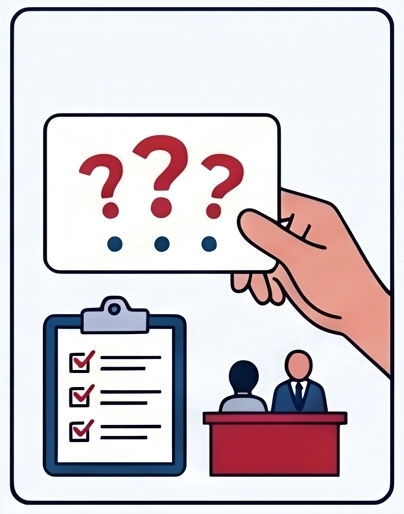
Have 3 questions ready for the interviewer about the company or daily responsibilities.
Asking questions is important because it shows the employer that you are genuinely interested in the position and that you took the time to research their business.
When deciding what to ask, your questions can focus on the specific details of the job or on the company as a whole. As you research the company before your interview to learn about their mission, vision, and workplace culture, you can use those details to write down thoughtful questions to bring with you.
To help you prepare, here are three highly recommended questions you can ask during an interview:
"What do the day-to-day responsibilities of this role look like?"
This question helps you understand exactly what you will be doing on a typical shift and shows you are eager to understand the practical expectations of the job.
"What are the most important qualities for someone to be successful in this position?"
Asking this demonstrates that you are focused on doing a great job and want to know how the employer measures success. It also gives you a chance to briefly remind them of how your skills match those qualities.
"Can you tell me a little bit about the company culture or the team I would be working with?"
This shows you care about being a good fit for their work environment and helps you figure out if it is a place where you would be happy working.
The absolute best questions are often the ones you write down yourself while researching the company's website before the interview!
Following Up: Please Say “Thank You”.
When it comes to the follow up process after an interview, the action you should take next is to send a Thank you email to the person you met. This will help reinforce your interest in the position.
The Power of Thank You
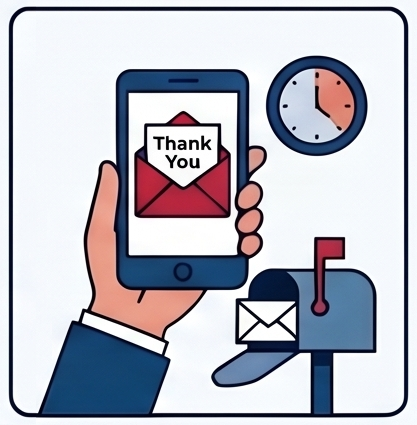
Send a follow-up thank you email to the interviewer immediately after the meeting.
Following the thank you, expect to wait. A waiting period is completely normal because the employer may have lots of other “applicants” to review and they need time to get through those meetings to decide who to hire. Be prepared, it may take a few weeks before you hear back from them.
Waiting can be hard, but by keeping your job application tracker up to date with the dates of your interview and a follow up email can help you stay organized and manage your stress while you wait for a decision. Keep checking in and keep interviewing. Sometimes it takes a few no’s to find that right fit for you.