Education and Training After School
There are many options for students with disabilities to continue their education after high school. This is known as “post-secondary education” or PSE. Some job fields may require some type of degree or certification to be able to do the job.
When students hear the word “college” they often think of big places like The Ohio State University or the University of Cincinnati. But there are many types of colleges and programs that can fit your needs. They range from 4-year colleges and universities to 2-year community and technical colleges. Ohio also has over 50 Technical Centers where adults can get career training from programs lasting 3-18 months.
As a student with a disability, you can receive accommodations while in college to help you complete the required coursework. These may include extra time to take a test or having a quiet space to take a test. Keep in mind that IEPs do not apply to college, so don’t expect the same level of support. If you are interested in attending a college program, be sure to visit with the college’s student disability services office before you enroll to check to see what accommodations are available to you.
Receiving training after high school does not require that you go to college. There are common certifications that you can get that will help you get certain jobs. For example, if you are interested in working in an office then you can take a course on using office software such as Word and Excel. These courses might be available at your local community or technical college or through community education programs.

Scenario
Maddie always wanted to work in the medical field. She liked the idea of using her skills to help people. During high school she explored healthcare careers and had work experiences in a nursing home and a hospital.
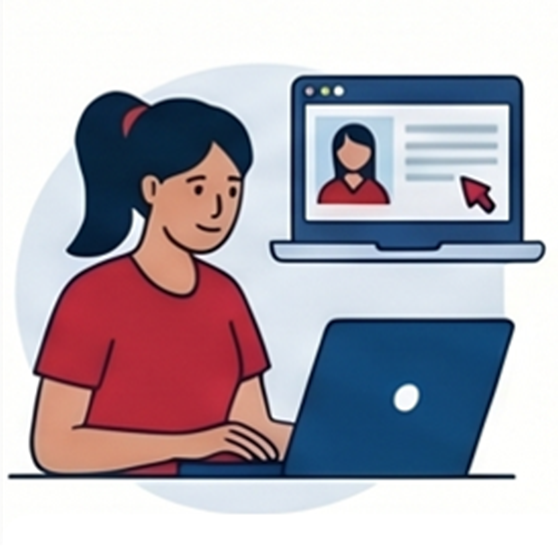
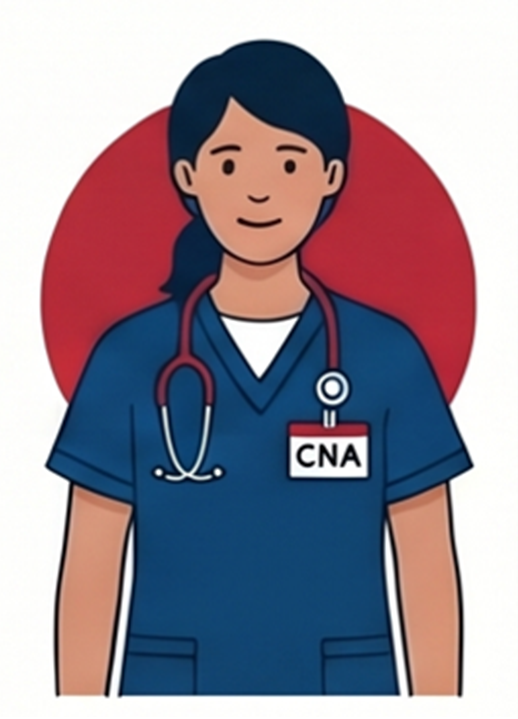
She realized that if she wanted to start building a career she would have to complete a Certified Nursing Assistant (CNA) program after graduation. Maddie found a program that had online classes and in-person practice sessions. Today she is a CNA at a small hospital in her hometown and she feels great about playing her role to provide quality medical care.

Did you know?
There are currently 9 programs in Ohio that offer college experiences for students with developmental and intellectual disabilities. These programs are help on college campuses and often lead to skills building and certifications needed to be employed.
Visit the Think College Website’s College Search Tool for more information.