Navigating the Modern Job Search
The modern world moves fast. It can feel like there is always a new website, app, password, or technology to learn. Many of us use technology every day to communicate with friends and family, watch videos, shop online, or find directions. Today, technology also plays a major role in finding and getting a job.
Not long ago, job seekers walked into businesses, filled out paper applications, and handed employers a printed resume. Today, most employers use online job boards, company websites, and digital application systems. This shift has created new opportunities, but it also means that job seekers need new skills.
The Digital Shift
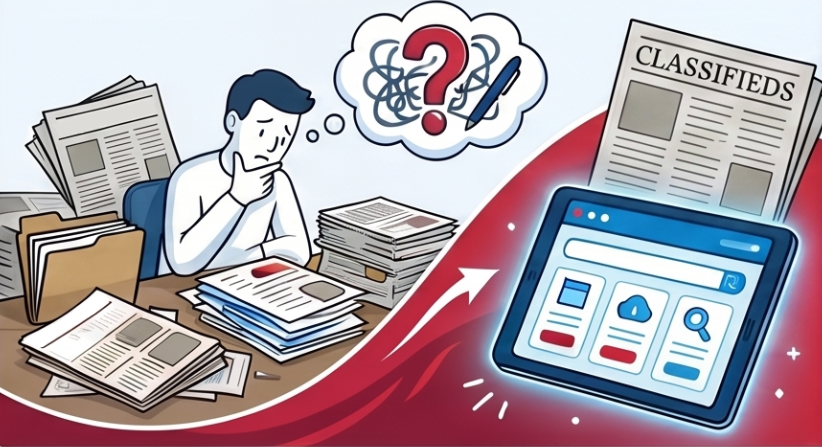
Modern employers now prioritize online job boards and digital applications systems over paper.
Digital literacy means being able to use technology confidently and safely. This includes creating and saving documents, using email, searching for jobs online, completing online applications, and using a smartphone or computer to communicate with employers. Learning these skills takes practice, but they are now an important part of almost every job search.
Technology can also be a powerful tool for preparing for work. There are apps that help build resumes, organize job searches, practice interviews, and improve workplace skills. Some tools use artificial intelligence (AI) to provide feedback, simulate interviews, or suggest jobs that match your interests and skills. Assistive Technology can help people with disabilities access information, communicate more effectively, and complete tasks independently.
At the same time, technology is not perfect. Many employers use automated systems and AI programs to review resumes and screen applicants before a person ever sees the application. These systems can sometimes overlook qualified candidates. Understanding how these tools work can help you present your skills more effectively and avoid common mistakes.
Technology should help open doors, not create barriers. As a job seeker, you have rights. Employers must provide reasonable accommodations during the hiring process, including online assessments and interviews. If a digital tool, online application, or hiring system is difficult to access because of a disability, you can request an accommodation or an alternative way to complete the process.
The goal of this module is to help you understand and use technology to your advantage. You will learn how to navigate digital job searches, create resumes that work with online hiring systems, explore assistive technology tools, prepare for interviews, and understand your rights as a job seeker. Technology can feel overwhelming at times, but with practice and the right tools, it can become one of your greatest assets in finding a job.

The following resource is a free site that will help you build your digital skills including technology basics, online safety and digital citizenship. The Public Library Association's site DigitalLearn.org is an online hub for digital literacy support and training. The site builds upon and fosters the work of libraries and community organizations as they work to increase digital literacy across the nation.

Activity
Evaluate your Digital Skills.
- Identify one technology skill you excel in.
- Identify one technology skill you want to improve before you begin your job search.
Tip: You can sketch what this looks like, write it out, or describe how it sounds!