The Invisible Architect
The idea of AI as an "invisible architect" means that artificial intelligence quietly shapes the hiring process behind the scenes. Today, AI does much more than screen resumes. Employers use it to help define job requirements, create interview scoring systems, analyze video interviews, administer online assessments, and summarize what candidates say during interviews.

Although recruiters and hiring managers make the final hiring decisions, the information they see has often already been filtered, organized, or evaluated by AI. In many cases, AI helps determine which candidates move forward and how their qualifications are presented.
Because these systems are built using past hiring data and fixed rules, they can sometimes overlook qualified candidates who do not match traditional hiring patterns. As a result, applicants with non-traditional backgrounds, career paths, or communication styles may face challenges even when they have the skills and experience needed for the job.
Accommodation for AI-Driven Assessments
Under the Americans with Disabilities Act (ADA), it is your responsibility to inform a potential employer if you need an accommodation during the application, interview, or employment process. Every employer may have a different procedure, but they should have a clear way for you to request an accommodation if you need one.
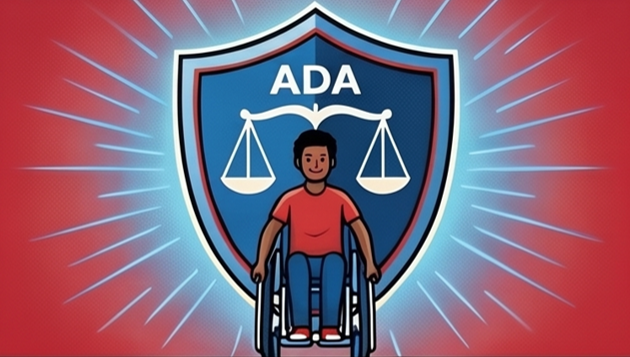
Requesting an accommodation should not hurt your chances of getting a job. Accommodation is designed to give qualified individuals an equal opportunity to demonstrate their skills and perform their job duties successfully. Employers are looking for people who can contribute to their organization, and accommodations are often a simple way to remove barriers that may get in the way.
Accommodations can look different for different people. Some examples include:
- Receiving interview questions in writing.
- Having extra time to complete a hiring assessment or test.
- Using assistive technology, such as screen readers or speech-to-text software.
- Having a sign language interpreter during an interview or training.
- Conducting an interview in a quieter location with fewer distractions.
- Receiving written instructions in addition to verbal instructions.
- Adjusting a work schedule for medical appointments or treatment needs.
- Using a handwritten application.
- Using specialized equipment or workplace modifications to complete job tasks.
Remember, accommodations are not special treatment. They are tools that help ensure you have the same opportunity to succeed as any other job seeker. If you are unsure what accommodation might help, start by thinking about what supports have helped you learn, communicate, or perform tasks successfully in the past.

Activity
Learn About a Company's Accommodation Process
Think of three to five companies or organizations where you might want to work. Visit their careers website and look for information about their hiring process and accommodations for applicants with disabilities.
As you explore each website, try to answer the following questions:
- Do they explain how to request an accommodation during the application or interview process?
- Is there a specific person, email address, or phone number to contact for accommodation requests?
- Do they mention accommodations for online assessments, video interviews, or other technology used in hiring?
- Is the information easy to find and understand?
Take notes on what you learn from each employer. Then compare your findings.
Consider these questions:
- Which employers made it easiest to find information about accommodations?
- Which employers provided the clearest instructions for requesting support?
- Were there any employers that did not mention accommodations?
- Would the information you found affect whether you apply for a job there? Why or why not?