The Digital Job Hunt
Let's call it "old-fashioned."
Not too long ago, businesses relied on in-person networking as the primary way to find quality employees. Employers looked at paper resumes, posted job openings on bulletin boards, and advertised opportunities at local libraries, workforce centers, and community organizations. A firm handshake and a face-to-face conversation could often open the door to a new opportunity. This still works as we discussed earlier in Connecting With Others They Don’t Know You, Yet!
The world of work has changed. In 2000, only about one quarter of unemployed job seekers used the internet to look for work. Today, more than 80% of job seekers apply for jobs online. Instead of paper applications, job seekers are often expected to manage email accounts, online applications, employer portals, and professional networking profiles.
While the tools have changed, the qualities employers are looking for have not. Employers still value hard work, professionalism, reliability, communication, and a positive attitude. Technology is simply the new tool used to showcase those qualities.
The shift toward the digital job hunt is a double-edged sword for modern career navigation. While online portals and digital resumes make applying faster, they heavily favor individuals with strong digital literacy and traditional career paths, often leaving entry-level workers or those with disabilities behind.
The good news is that digital skills can be learned. Just like any other job skill, confidence comes with practice. Learning how to use online applications, create a resume, participate in virtual interviews, and use technology tools can increase your access to opportunities and help you stand out to employers.
Applicant Tracking Systems (ATS)
In the digital job hunt, resumes usually must pass through Applicant Tracking Systems (ATS) software before a human ever reads them. When you build your resume, ATS optimization is about ensuring these algorithms can easily read and accurately score your qualities. While you build your resume be sure to:
- Use the Right Format: A standard chronological format is the most ATS-friendly. When applying online, avoid functional resumes, which shifts the focus from your chronological work history to your core transferable skills and are often rejected by these automated systems.
- Keep Layouts Simple: Avoid tables, text boxes, and columns. Simple text with clear, standard headings (like "Education" and "Experience") works best for both ATS software and screen readers. Put contact information at the top of the page, not in a header or footer.
- Match Keywords: If you have looked up a company posting or talked with a manager, try to tailor your resumes by including specific action verbs and keywords directly from the job description.
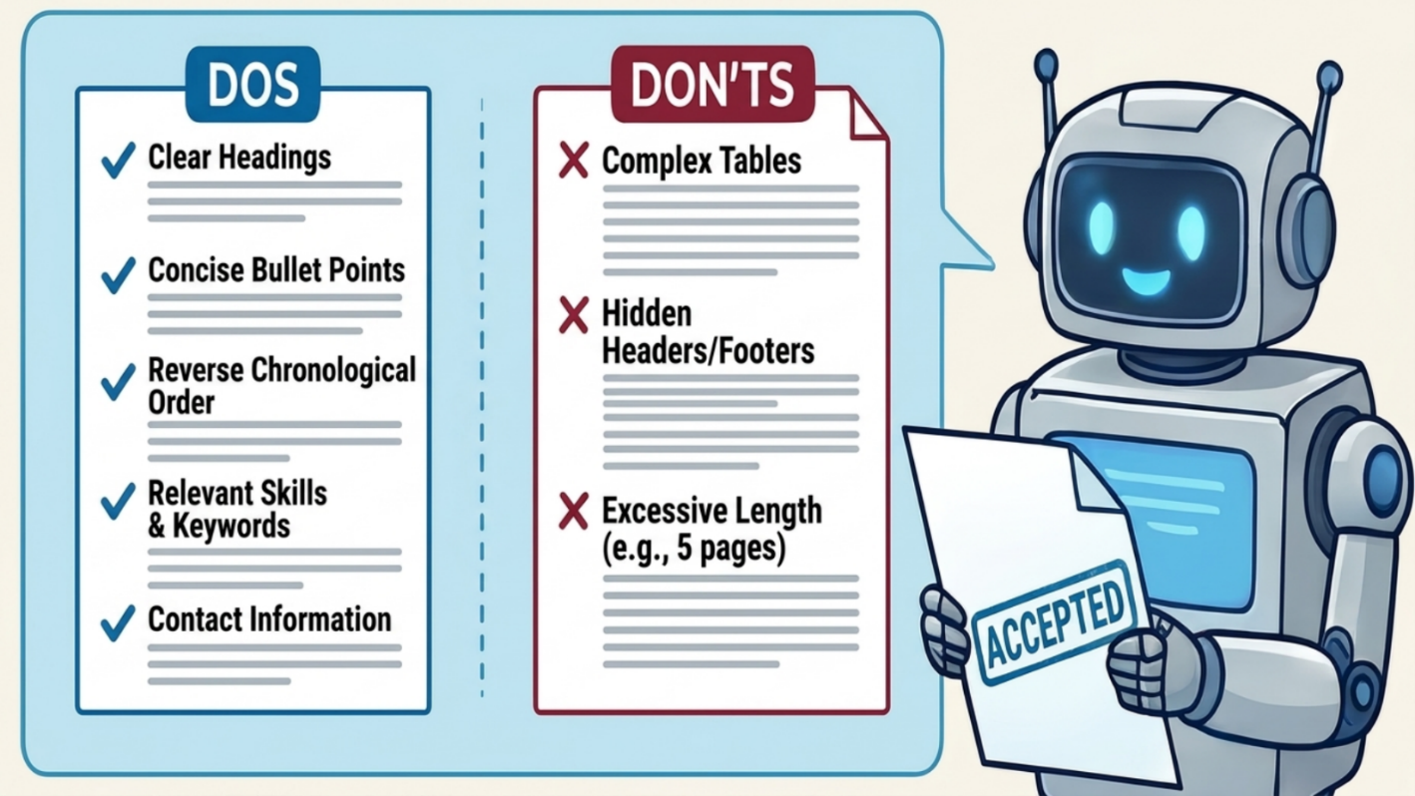
Tip: The optimal length for most resumes is 1 to 2 pages.
Free resume help for individuals with developmental disabilities is coordinated through county boards of developmental disabilities and the Ohio Department of Developmental Disabilities (DODD). The state agency Opportunities for Ohioans with Disabilities (OOD) also provides vocational rehabilitation and dedicated career services.
To get started, consider these key state resources:
- Opportunities for Ohioans with Disabilities (OOD): Connect with OOD to get paired with a vocational rehabilitation counselor who provides specialized resume writing and job interview preparation. You can apply directly online at OODWorks.
- OhioMeansJobs: Access Ohio's free state job portal, where you can utilize resume-building tools, review sample templates, and use the "SkillsMatch" tool to update your resume keywords to match local, in-demand job postings.
- Local County Boards: If you are already receiving services, contact your local County Board of Developmental Disabilities Service and Support Administrator (SSA). They may authorize "Career Planning" or "Individual Employment Support" waivers, which pay for a job developer to help build your resume and find a job in the community.